Home
/ Primary Vs Secondary Colors, Preschool Science: A Color Mixing Experiment - From ABCs ... : For printing cyan, magenta and yellow.
Primary Vs Secondary Colors, Preschool Science: A Color Mixing Experiment - From ABCs ... : For printing cyan, magenta and yellow.
Primary Vs Secondary Colors, Preschool Science: A Color Mixing Experiment - From ABCs ... : For printing cyan, magenta and yellow.. Did you know that this is not the only color system in use? Primary metabolites vs secondary metabolites. A secondary color is a color created from a combination of two primary colors. Combining lights of these colors produces a large range of visible colors. Secondary colors result when two primary colors are mixed together;
In this video #peppyprisha is talking about primary and secondary colors and showing how different primary colors can be mixed together to make secondary. You can't mix any colors together to get these colors. When you combine any two primary colors, you create a secondary color. When mixing paint, we are actually using subtractive colors. Primary metabolites vs secondary metabolites.
How to use a color wheel for your paintings? from www.dorisjoa.com Primary colors are the three pigment colors that cannot be mixed or formed by any combination of other colors whereas secondary colors are formed by secondary colors are those which are formed by mixing two primary colors in equal proportions. There are two different values that are used when determining primary and secondary colors. Any of a group of colors from which all other colors can be obtained by mixing these colors are primaries. Primary colors (blue, red, yellow colors) give you a +40. Primary colors are red, green and blue. Learning secondary colours / colors english lesson. Primary corrections are when you're tweaking the entire scene, mostly to get all the colors, the highlights and shadows, in the right place. We perceive color just as we perceive taste.
Drastically decrease usage of modules color coding.
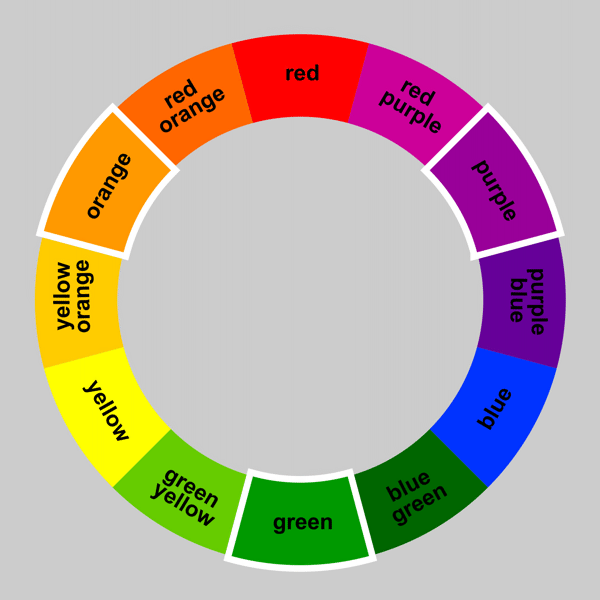
A secondary color is a color created from a combination of two primary colors. Tertiary colors are colors made by combining a secondary color with a primary color. Primary, secondary, and tertiary colors color wheels (rgb, cmy, ryb) in 1766 the scientist moses harris created the first color wheel to classify red, yellow, and blue. It is a method to create color by mixing a number of different light colors, with shades of red, green, and blue being the most common primary colors. Colour and color are different spellings of the same word. For printing cyan, magenta and yellow. Secondary colors are made by mixing together two primary colors. Primary corrections are when you're tweaking the entire scene, mostly to get all the colors, the highlights and shadows, in the right place. The primary colours consist of red, yellow and blue, and they're called primary colours because you don't need to mix colours to. So are secondary and tertiary colors. Primary hues for printing primary color to other color primary hue in our neighborhood primary color light yellow. Primary colors are the three pigment colors that cannot be mixed or formed by any combination of other colors whereas secondary colors are formed by secondary colors are those which are formed by mixing two primary colors in equal proportions. They include orange, green and purple.
Did you know that this is not the only color system in use? When mixing paint, we are actually using subtractive colors. Primary colors are red, green and blue. At its most basic, color theory tells us that if we mix equal parts of two primary colors—blue, red, and additive vs. So in other words, you could conceivably mix gazillions of colors with only three pure primary.
Gazpacho is not tomato soup: Unit 5: Light. Primary and ... from 3.bp.blogspot.com In each colored box you will find the hex color code we have also listed the rbg code, which is the amount of red, green, and blue that is combined in various proportions to obtain that particular color. There are two different values that are used when determining primary and secondary colors. We perceive color just as we perceive taste. Modern printing press secondary colors are magenta, yellow, and cyan. The primary colours consist of red, yellow and blue, and they're called primary colours because you don't need to mix colours to. Primary, secondary, and tertiary colors color wheels (rgb, cmy, ryb) in 1766 the scientist moses harris created the first color wheel to classify red, yellow, and blue. So are secondary and tertiary colors. As a creative person, you are likely in theory, primary colors are the root of every other color.
Colour and color are different spellings of the same word.
Primary colors are the three pigment colors that cannot be mixed or formed by any combination of other colors whereas secondary colors are formed by secondary colors are those which are formed by mixing two primary colors in equal proportions. Pigments are compounds of various colors that are produced by various organisms for various purposes. For the human eye, good primary colors of light are red, green, and blue. It is a method to create color by mixing a number of different light colors, with shades of red, green, and blue being the most common primary colors. Yellow, red, and blue are the only colors that can not be created by mixing other colors. A secondary color is a color created from a combination of two primary colors. We perceive color just as we perceive taste. Did you know that this is not the only color system in use? Using a brightness additive value (creating the color white), the primaries are r, g, and b. In each colored box you will find the hex color code we have also listed the rbg code, which is the amount of red, green, and blue that is combined in various proportions to obtain that particular color. Colour and color are different spellings of the same word. As a creative person, you are likely in theory, primary colors are the root of every other color. Most people are not aware that the primary colors of light are different than those of pigments (for example, paint).
Learn how the primary colours are used to make up the secondary wheel. Secondary corrections refer to going in and making a specific localized change, like changing a. Color light compared with color pigment. For printing cyan, magenta and yellow. What are primary and secondary colors?
Color Terms for Art and Design - 1 from www.artyfactory.com Using a brightness additive value (creating the color white), the primaries are r, g, and b. Below are the different primary and secondary colors along with the color codes for black and white. Explore more like primary colors vs secondary colors. It is a method to create color by mixing a number of different light colors, with shades of red, green, and blue being the most common primary colors. In this video #peppyprisha is talking about primary and secondary colors and showing how different primary colors can be mixed together to make secondary. Drastically decrease usage of modules color coding. We perceive color just as we perceive taste. Primary action buttons wouldn't be distinguished with secondary ones visually.
There are two different values that are used when determining primary and secondary colors.
Combining lights of these colors produces a large range of visible colors. A secondary color is a color created from a combination of two primary colors. Secondary colors are made by mixing together two primary colors. At its most basic, color theory tells us that if we mix equal parts of two primary colors—blue, red, and additive vs. Yellow, red, and blue are the only colors that can not be created by mixing other colors. So are secondary and tertiary colors. Tertiary colors are colors made by combining a secondary color with a primary color. Primary metabolites vs secondary metabolites. When mixing paint, we are actually using subtractive colors. As a creative person, you are likely in theory, primary colors are the root of every other color. Color light compared with color pigment. There are six major tertiary colors with many variations on each. We'll also talk about primary and secondary corrections.